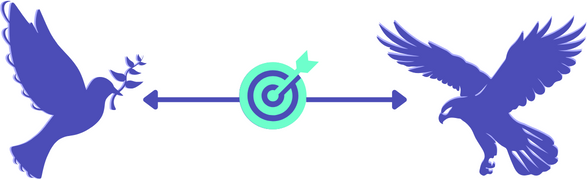
Recovery is a journey, much like walking a tightrope. The key is finding balance—not leaning too much towards being a "Cautious Dove," scared to do anything, or towards being a "Daring Hawk," trying to do everything. Neither extreme helps recovery; it's about steady, mindful progress. The trick? Staying balanced in the middle, smartly mixing activity with rest.
.png)
Doves are cautious, often too much so, avoiding activities out of fear of bringing on symptoms. But resting too much can actually make it harder to get back to your usual self. It teaches your brain to view activity as a threat and can lead to a slower recovery process.
Hawks push too hard, ignoring their body's signals until it's too late, leading to the "Boom and Bust" cycle. This cycle of doing too much followed by exhaustion and having to recover not only slow recovery but can also worsen symptoms in the long run.
.png)
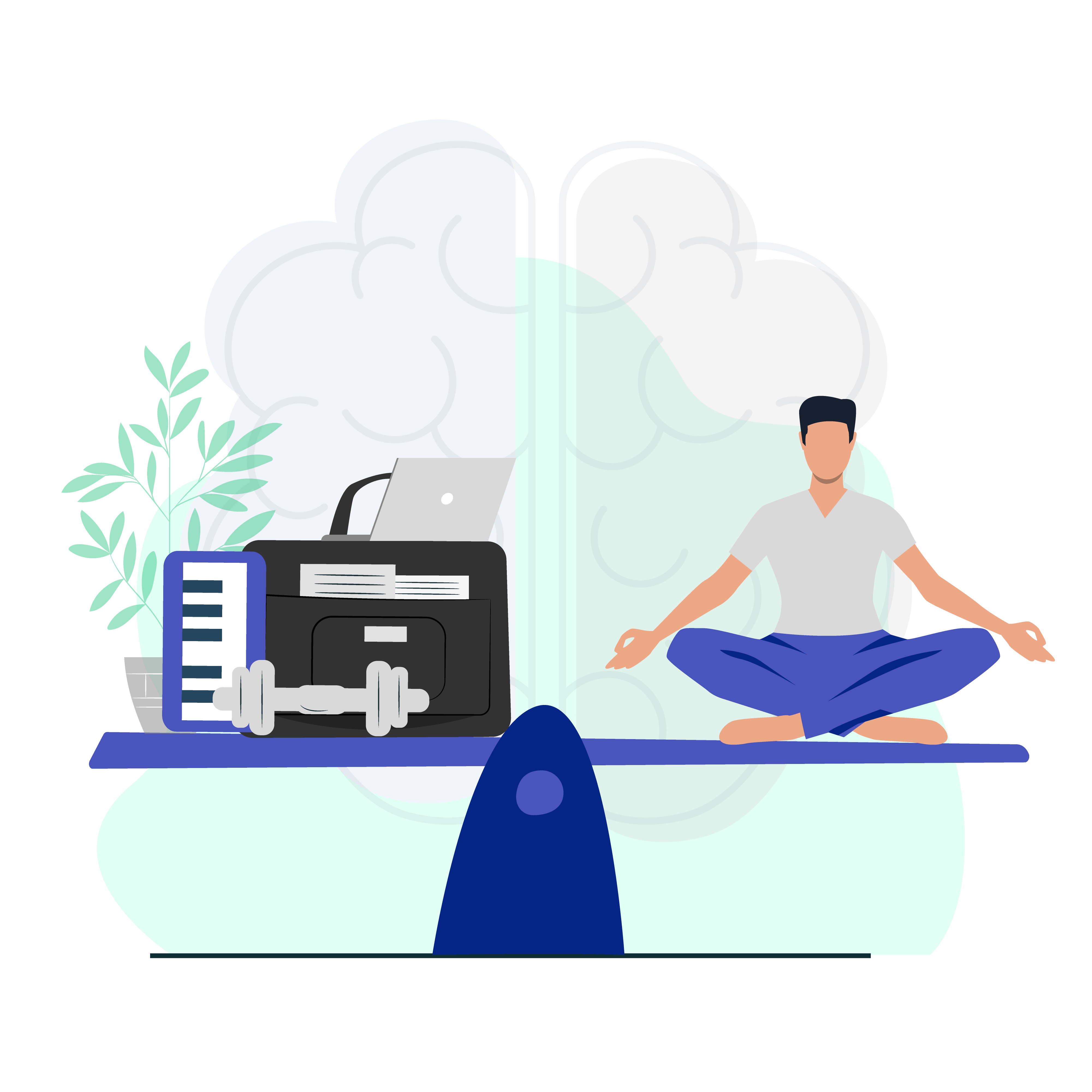
Activity Pacing is all about teaching your brain that being active and having some symptoms is important and not something to be scared of. This means gradually doing a bit more, listening to your body, and taking breaks before you're totally wiped out.
Using pacing as your secret weapon means you can slowly but surely get back to doing the things you love. This way, you're not just getting by each day; you're building yourself up to do more with fewer symptoms.